
Author: Kate Scott, DipNut, mBANT, rCNHC, mIFM
DNApal co-founder | Nutrition & genetics specialist | BANT registered nutritionist
It’s only a semi-myth that eating carrots will help you see in the dark. The main nutrient found in carrots, beta-carotene (responsible for its characteristic orange colour), is a precursor to vitamin A and helps your eyes to adjust in dim conditions. Vitamin A can’t give you the superpowers of night vision or cure your dependence on contact lenses, but eating an adequate amount will support eye health.
Vitamin A is one of the fat-soluble vitamins (along with vitamins D, E and K). It’s an essential nutrient that plays a number of important roles in the body, from eye health to supporting the immune system, helping to regulate cell growth and division (making it one of the important nutrients for a healthy pregnancy), and thyroid function.
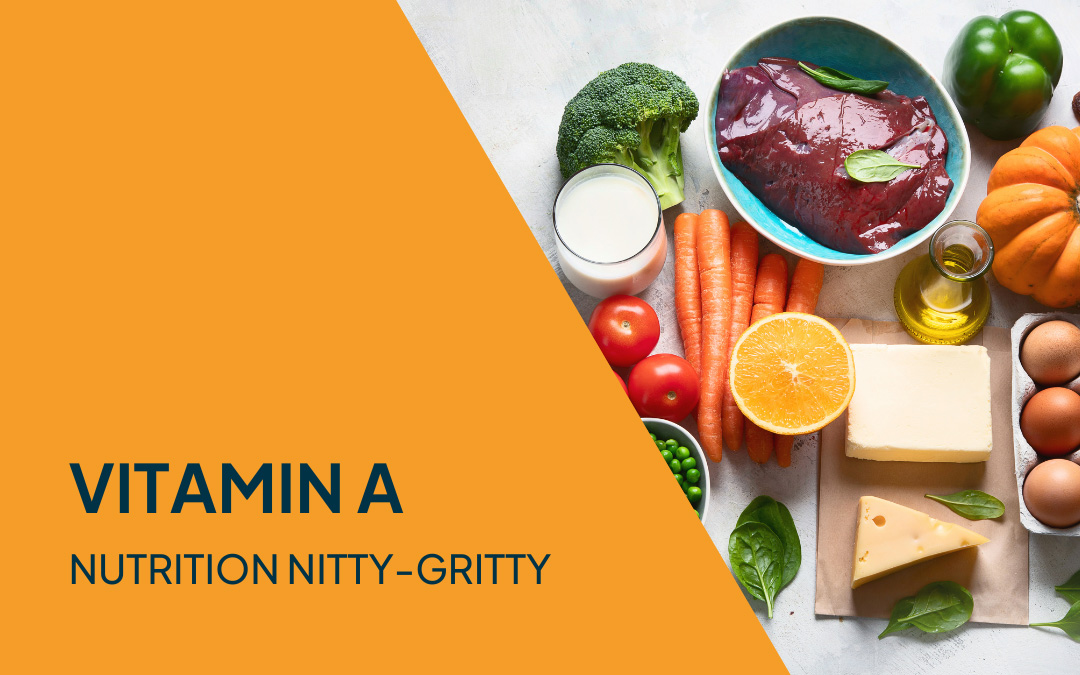
The two main forms of vitamin A in the human diet are preformed vitamin A (retinol) and provitamin A carotenoids such as beta-carotene that need to be converted to retinol. Preformed vitamin A is found predominantly in animal products such as liver, egg yolks, cheese, fish and meat. Carotenoids are found naturally in plant foods such as carrots, pumpkin, sweet potato, bell pepper, spinach and mango.
The recommended daily allowance (RDA) of vitamin A for adults in the UK is 700 micrograms per day for men and 600 micrograms per day for women. This can be achieved through a healthy and varied diet that includes a range of foods, including liver, egg yolks, fortified dairy products, fruits and vegetables.
Genetics play a role in the body’s ability to absorb, convert and use vitamin A. The BCMO1 gene is involved in converting beta-carotene (from plants) to retinol (the active form of vitamin A). People carrying variants on the BCMO1 gene may be less efficient at converting beta-carotene to retinol. People who have inherited this variant of BCMO1 need to increase their intake of foods containing retinol (like butter, cheese and liver) or consider supplementing with retinol. However, vitamin A should be supplemented with caution since toxicity can damage the liver. This is a consideration for all fat-soluble vitamins. By contrast, beta-carotene does not carry the same risk of toxicity.
Certain conditions, such as cystic fibrosis, celiac disease, Crohn’s disease and alcoholism, can affect the absorption of fats, which can, in turn, affect the absorption of fat-soluble vitamins. Smoking is also known to reduce vitamin A levels significantly.
Order our DNApal test today to determine how your genes influence your dietary and nutritional needs and much more!
Feel free to leave us a comment if you have any further questions.
Don’t miss out on more health and lifestyle advice. Sign up for our monthly newsletter under the ‘comments’ section.








0 Comments